Lily Flower Review: A Designer's Take on Real-World Embroidery
When I first opened the Lily Flower silhouette line art vector design, my initial reaction wasn't about the file size or the download speed. It was about the mood. There is a distinct elegance to this piece that feels both trendy and timeless. As an experienced designer who has stitched thousands of designs for clients ranging from boutique owners to hobbyists, I look for more than just a pretty picture; I need to know how it translates from a digital screen to a physical fabric surface. This review breaks down exactly where Lily Flower fits in your workflow, what kind of finished product it creates, and where you might want to exercise caution.
The First Impression: Mood and Visual Personality
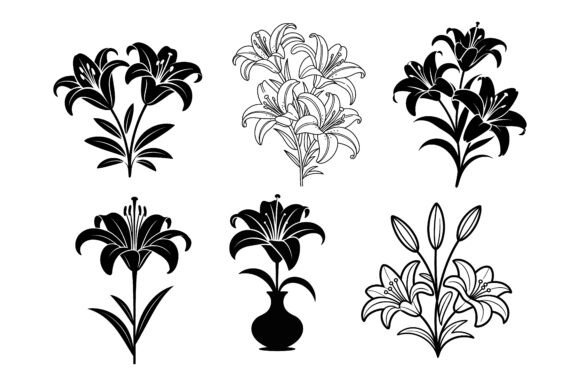
Lily Flower carries a sophisticated energy. The silhouette approach strips away unnecessary clutter, leaving only the essential lines that define the flower's grace. For a designer looking at this as a potential asset for their craft business, the immediate takeaway is clarity. The shape is bold enough to stand out but delicate enough to feel refined. It doesn't scream for attention; it invites the viewer to lean in closer. This visual personality makes it an ideal candidate for projects that require a touch of understated luxury, such as personalized gifts or high-end custom apparel.
In terms of layout, the design flows naturally. The curves suggest movement, which is crucial when translating a static vector into a dynamic embroidery project. Unlike blocky geometric shapes that can look stiff under a needle, the organic lines of the lily promise a softer, more fluid result. Whether you are planning to use this for a tote bag design or a subtle accent on a sweatshirt embroidery piece, the aesthetic holds up well. It feels modern without being overly trendy, meaning it won't look dated in six months.
Real-World Application: From Screen to Stitch
Let's imagine a real scenario. You are preparing for a holiday market or fulfilling a rush order for a local boutique. You need a design that looks professional on a variety of items, perhaps a set of matching kitchen towels and a few embroidered patches for aprons. This is where Lily Flower proves its versatility. Because it is a silhouette, it relies heavily on the contrast between the thread color and the fabric texture, rather than intricate internal details that might get lost.
I tested the concept mentally against several common products. On a white kitchen towel, a deep navy or forest green thread would make the lily pop with striking definition. On a dark pillow cover, a metallic gold or silver thread could elevate the piece into something truly special. The clean lines work exceptionally well for embroidered patch applications, where the edges need to be crisp to ensure a neat finish after trimming. If you are an Etsy seller creating listings, this design offers a clean backdrop that allows customers to visualize their own color choices easily in printable mockups.
For baby embroidery, the soft curves are gentle and non-threatening, making it perfect for onesies or nursery decor. However, the true test of any machine embroidery design is how it handles density. The silhouette style typically requires a balance of satin stitch for outlines and fill stitch for solid areas if you choose to fill them. If left as a simple outline using a running stitch, it becomes airy and light, suitable for sheer fabrics. But remember, the final look depends entirely on your thread choice and stitch settings.
Where to Use Caution: Practical Limitations
While Lily Flower is elegant, no design is universal. There are specific situations where you should think twice before stitching. If you are working with a very small hoop size, the fine lines of the silhouette might become too thin to hold their shape, potentially leading to a muddy appearance. Similarly, on highly textured fabrics like heavy terry cloth or thick bouclé, the smooth lines of the lily may not register clearly, losing the intended sharpness of the vector.
Stretchy fabrics present another challenge. Without proper stabilization, the tension required for a clean satin stitch outline can cause the fabric to pucker, distorting the graceful curve of the flower. Dark fabrics require careful consideration of thread colors; a low-contrast combination will make the design disappear, defeating the purpose of the silhouette. Furthermore, if you plan to wash these items frequently, such as aprons or workwear, ensure the stitch density is sufficient to withstand abrasion. Thin lines on thin fabric can be prone to fraying over time.
Curved surfaces like caps also demand attention. While the design looks great on flat surfaces, transferring those curves onto a rounded cap requires precise digitizing adjustments. If the original file does not account for curvature, the lily might look stretched or compressed when viewed from the front. Always inspect the design on a curved mockup before committing to a full production run.
Impact on Brand Value and Customer Trust
In the world of handmade goods, the quality of the embroidery speaks volumes about your brand. A design like Lily Flower, executed well, signals professionalism. Customers can tell the difference between a rushed job and one that respects the integrity of the design. When the lines are clean and the placement is intentional, it builds trust. It suggests that you care about the details, which often translates to higher perceived value for the finished product.
For commercial embroidery projects, consistency is key. Using a cohesive design language across your product line helps with brand recognition. If you incorporate Lily Flower into your signature collection, it becomes a recognizable element of your identity. Whether it appears on a wedding gift package or a small shop product tag, the design adds a layer of polish that generic clipart simply cannot match. It elevates the item from a commodity to a curated piece.
Designer Notes for Successful Execution
Before you send Lily Flower to the machine, there are a few critical steps to take. First, always test the design on scrap fabric that matches your intended material. This allows you to see how the stitch density interacts with the weave of the cloth. Check the thread color contrast immediately; sometimes a color that looks good on screen fails in person due to lighting or fabric undertones.
Review the stitch types carefully. Ensure that the running stitch lengths are appropriate for the scale of the design and that any satin stitch columns are wide enough to prevent thread breakage. Confirm your hoop size beforehand to avoid unnecessary repositioning, which can lead to registration errors. If you are unsure about the file formats or specific machine compatibility, check the listing details again, as these vary by creator.
Don't forget the stabilizer. The right backing is essential for maintaining the shape of the silhouette, especially on stretchy materials. Test the design in black and white mockups to verify that the form stands out even without color. Finally, confirm the licensing terms if you intend to sell finished items featuring this digital embroidery file. Understanding whether you have commercial rights is vital for protecting your creative entrepreneur business.
Ultimately, Lily Flower is a strong addition to any design assets library. It offers a blend of simplicity and sophistication that works across a wide range of applications, from holiday embroidery to everyday wear. By paying attention to the nuances of fabric, thread, and technique, you can transform this vector illustration into a stunning piece of wearable art that delights your customers and enhances your reputation as a skilled maker.