Magical Pastel Fairy Clipart Review
When I first opened the folder for Magical Pastel Fairy Clipart, my initial reaction was one of genuine delight, but as a designer who has seen thousands of digital assets come across my desk, that feeling quickly turned into a critical assessment. In the world of machine embroidery and handmade goods, visual appeal is only half the battle; the other half is execution. Can this design actually hold up on fabric? Does it translate well from a screen to a stitch? I decided to put Magical Pastel Fairy Clipart through its paces to see if it belongs in your next commercial project or if it should stay in your personal stash.
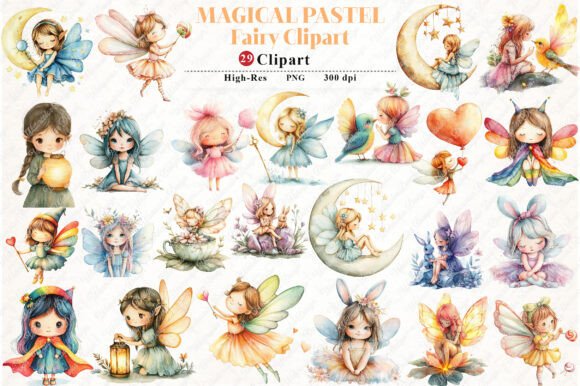
The mood created by these illustrations is undeniably soft, whimsical, and inviting. The pastel palette immediately suggests nursery decor, baby gifts, and spring-themed merchandise. Unlike harsh, high-contrast graphics that demand attention, this set feels like a whisper. It creates a sense of gentle magic that fits perfectly with themes of childhood wonder, fairy tales, and delicate home accents. However, when you are evaluating an embroidery file for real-world application, you have to look past the pretty colors and consider the structural integrity of the shapes.
From Screen to Stitch: A Real Project Scenario
Let's imagine a specific scenario to test the viability of Magical Pastel Fairy Clipart. Suppose you are an Etsy seller preparing a custom order for a boutique client who wants a line of embroidered tote bags featuring whimsical characters. You select the fairy design, intending to use it as the centerpiece on a canvas tote. This is a common request, but it presents immediate challenges regarding scale and detail.
If I were stitching this design onto a tote bag, I would need to be very careful about the complexity of the fairy's wings and any tiny accessories they might be holding. While the 300 dpi PNG files provided in the ZIP folder offer crisp visuals for printing mockups, embroidery is a subtractive process where thread replaces pixels. If the original illustration relies on fine lines to define the fairy's features, those details often get lost in the bulk of the satin stitches required for definition. For a small business owner looking to create a custom apparel item, the risk here is that the finished product looks muddy rather than magical.
However, the strength of Magical Pastel Fairy Clipart lies in its potential for larger applications. Imagine using this design on a sweatshirt embroidery project for a youth clothing brand. On a larger surface area, the softer edges and pastel tones can shine without getting lost in the texture of the fabric. The design could serve as a great backdrop for a personalized gift, perhaps paired with a simple running stitch name below it. In this context, the illustration acts as a beautiful anchor that elevates the perceived value of the handmade product.
Navigating Fabric and Texture Challenges
Not all fabrics play nice with every design, and Magical Pastel Fairy Clipart is no exception. The delicate nature of the artwork means it requires a stable base to truly sing. When working with stretchy fabrics like jersey or thin materials, the tension of the stitches can cause the design to pucker, distorting the fairytale aesthetic you worked so hard to achieve. For a commercial embroidery project, consistency is key, and puckering is the enemy of professional presentation.
I also found myself thinking about textured fabrics. If you plan to use this design on a heavy linen apron or a nubby wool blanket, the background noise of the fabric might clash with the smooth, clean lines of the clipart. The contrast between the thread and the fabric texture needs to be managed carefully. Furthermore, dark fabrics present a significant hurdle. Since the design is inherently "pastel," it will likely require extensive underlay or multiple layers of thread to cover a dark background adequately. Without proper planning, the colors might appear dull or muddy, losing the ethereal quality that makes the design attractive in the first place.
For products that need frequent washing, such as kitchen towels or children's clothing, the density of the stitches becomes a major factor. If the design includes dense fill areas, it might become stiff and uncomfortable against the skin. This is a crucial consideration for anyone selling baby embroidery items. Parents want softness and durability, not a stiff patch that irritates a sensitive baby's skin. Therefore, before committing to a full production run, it is wise to inspect the design for any overly dense stitch areas that might compromise comfort.
Strategic Use Cases for Small Business Owners
Despite the technical hurdles, there are several niches where Magical Pastel Fairy Clipart shines brightly. It is an excellent candidate for embroidered patches intended for jackets or denim vests, provided the patch backing is sturdy enough to support the design. The whimsical theme also aligns perfectly with holiday embroidery projects, particularly for Easter or spring festivals where a light, airy feel is desired.
For Etsy sellers and digital product sellers, this set offers versatility beyond just physical stitching. The high-resolution PNG files are perfect for creating printable mockups to showcase your services to clients. You can visualize how a customer's logo might look alongside these fairies on a pillow cover or a tea towel. These design assets help bridge the gap between a digital concept and a tangible reality, allowing you to sell the vision before the first stitch is even made.
When considering apparel decorators, think about the placement. Curved surfaces like caps can be tricky. A design with complex curves might not lay flat on a curved hat brim, leading to distortion at the edges. In these cases, it is often better to simplify the design or choose a flatter surface for the application. Similarly, for small shop products like boutique branding tags, the design works well as a subtle accent rather than the main event, adding a touch of personality without overwhelming the brand identity.
Essential Notes for the Embroidery Designer
Before you rush to digitize or stitch Magical Pastel Fairy Clipart, there are a few practical steps you must take to ensure success. First and foremost, always test the design on scrap fabric. This allows you to gauge the thread color contrast and check the stability of the stitches on your specific material. What looks good on a white monitor might behave differently on a cream-colored cotton blend.
You should also review the stitch density and confirm the appropriate hoop size for your machine. If the design contains intricate details, you may need to adjust the stitch count or reduce the size to prevent thread breakage. Inspecting small details is vital; sometimes, elements that look distinct in a digital image become indistinguishable blobs once stitched. Using a stabilizer that matches the weight and stretch of your fabric is non-negotiable for maintaining the shape of the design.
Finally, do not overlook the importance of checking whether the design works for both personal and commercial projects. Licensing terms vary widely, and assuming you can resell a finished product based on a free or cheap download can lead to legal trouble. Confirm the license before selling finished product items or including the digital file in your own bundles. By taking these precautions, you protect your reputation and ensure that your craft business remains professional and compliant.
In conclusion, Magical Pastel Fairy Clipart is a charming addition to any designer's library, offering a sweet and versatile aesthetic for a wide range of projects. Whether you are creating a personalized gift for a friend or launching a new line of holiday embroidery goods, this design has the potential to add a special touch. However, its success depends entirely on your ability to adapt the digital art to the physical constraints of embroidery. With careful planning, proper testing, and a keen eye for detail, you can transform these lovely illustrations into stunning, market-ready treasures.