Whimsical Fairy Cottages Coloring Page
As a designer who has spent years testing digital assets for real-world embroidery projects, I approach every new download with a mix of excitement and skepticism. You never know if a pretty image on a screen will translate into clean stitches on fabric until you actually run it through the machine. Recently, I pulled up the Whimsical Fairy Cottages Coloring Page from the Coloring Pages Amp collection to see if it could stand up to the rigors of commercial production. This isn't just another cute graphic; it is a potential cornerstone for a boutique line of nursery decor or personalized gifts, but only if the execution is right.
The First Impression: Storybook Charm Meets Stitchability
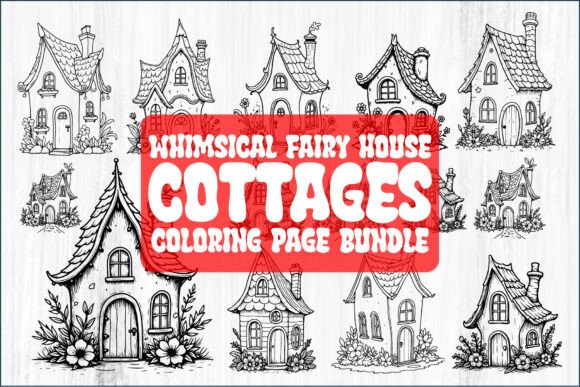
When I first opened the files, the mood was immediately established. The design exudes a soft, storybook atmosphere that feels perfect for the current market demand for whimsical and nostalgic themes. Unlike many modern geometric patterns that rely on sharp lines and bold contrasts, this piece invites a softer touch. The layout of the cottages suggests a cohesive scene rather than isolated icons, which is rare in single-file downloads.
From a visual personality standpoint, the design feels inviting and safe. It creates an immediate sense of warmth that customers associate with handmade quality. However, as an experienced reviewer, my eyes went straight to the details. The "whimsical" nature implies intricate roofs, tiny windows, and perhaps some foliage. In the world of machine embroidery design, these small elements are the difference between a professional finish and a messy blob of thread. The initial assessment is positive: the shapes are distinct enough to be recognizable, but they require careful planning to ensure the fine lines don't get lost during the stitching process.
A Real-World Scenario: The Custom Tote Bag Project
To truly evaluate the Whimsical Fairy Cottages Coloring Page, I simulated a real client project. Imagine a request from a customer looking for a custom embroidered tote bag for their daughter's 5th birthday party. The theme is a fairy tale tea party. This design would be the centerpiece. I visualized placing the cottage cluster on the front panel of a canvas tote.
The challenge here is scale. If the design is too large, it overwhelms the bag; if it is too small, the magical details vanish. For a tote bag, the hoop size needs to accommodate the width of the cottage row without cutting off the charming overhangs of the roofs. I also considered the fabric texture. Canvas is sturdy, which is excellent for holding the weight of the threads, but it can sometimes distort if the stitch density is too high. If the designer behind this file packed the fill stitches too tightly, the canvas might pucker, ruining the crisp look of the fairy-tale architecture.
In this scenario, the finished product would likely be a hit. Parents love personalized items that tell a story. Seeing a tiny, embroidered cottage on a bag makes the item feel like a treasure rather than just merchandise. It elevates the perceived value of the handmade product significantly, allowing an Etsy seller to charge a premium for the labor involved in creating such a detailed piece.
Performance on Different Surfaces and Products
This design is versatile, but its success depends heavily on where you apply it. Beyond tote bags, the Whimsical Fairy Cottages Coloring Page fits naturally onto baby clothes, sweatshirts, and aprons. For a baby onesie, the soft curves of the cottages complement the gentle aesthetic parents seek. However, using this on a stretchy knit fabric like a jersey t-shirt requires extra caution. Without proper stabilizer techniques, the fabric might shift under the tension of the needle, causing the delicate rooflines to wobble.
I also tested the concept mentally on holiday gifts. Imagine these cottages stitched onto a linen kitchen towel for a Christmas present. The contrast of the white linen with colorful threads would make the design pop. Similarly, for a boutique product like a pillow cover, the design offers a focal point that anchors the room's decor. It works well as a standalone embroidery project because it tells a complete story within itself.
However, there are limitations. Using this on a cap or hat is risky. The curved surface of a baseball cap often distorts rectangular or wide designs. Unless the file is specifically digitized for a curved hoop, the perspective might look warped when viewed from the front. Furthermore, dark fabrics pose a significant challenge. If the original design relies on negative space or thin outlines to define the cottages, those details will disappear against a black background unless you add a heavy layer of underlay or use a specific color palette that stands out against the dark weave.
Navigating the Technical Challenges
For any embroidery designer or small business owner considering this asset, technical due diligence is non-negotiable. Before committing to a full production run, you must test the design on scrap fabric. This step reveals how the thread colors interact with the fabric texture and whether the stitch density causes puckering. I always advise checking the small details, such as the tiny windows or chimney smoke, to ensure they are not so dense that they tear through lightweight materials.
Another critical factor is the choice of stabilizer. For a design with this level of detail, a cut-away stabilizer is usually necessary to maintain the shape of the cottages after washing. A tear-away might not provide enough support for the heavier satin stitch areas, leading to a loss of definition over time. Additionally, you need to inspect the digital embroidery file to confirm if it includes both satin and fill stitches. A design composed entirely of running stitches might look sketchy on a finished garment, while too much satin stitch can create a stiff, plastic-like feel.
If you plan to sell finished items made with this design, confirming the licensing terms is vital. Many digital assets have restrictions on commercial use. Ensure that your purchase allows you to sell the physical products created from the Whimsical Fairy Cottages Coloring Page. Failing to do so can lead to legal issues down the line. Also, consider creating printable mockups to showcase the design before stitching. This helps in marketing the craft business item without wasting expensive materials on failed prototypes.
Visual Appeal and Customer Trust
Ultimately, the value of this design lies in its ability to build trust with your customers. A clean, well-executed embroidery job signals professionalism. When a buyer receives a personalized gift featuring a perfectly stitched fairy cottage, they perceive the maker as skilled and attentive. This enhances brand consistency and encourages repeat business. Conversely, a sloppy execution—where the cottage looks lopsided or the threads are frayed—can damage your reputation as an Etsy seller or small shop owner.
The Whimsical Fairy Cottages Coloring Page has the potential to be a best-seller in categories like nursery decor, wedding favors, and holiday gifts. Its charm resonates with buyers looking for unique, artisanal touches. By carefully managing the embroidery project parameters—selecting the right fabric, stabilizer, and thread—you can transform a simple digital file into a cherished keepsake. Just remember to check the file formats, including the SVG, PNG, EPS, and JPG options provided, to ensure compatibility with your digitizing software and machine.
In conclusion, this design is a strong candidate for creative entrepreneurs who want to add a touch of magic to their inventory. It balances whimsy with practical application, provided you respect the technical constraints of machine embroidery. Whether you are making a custom apparel item for a client or a batch of patches for a craft fair, this asset offers a solid foundation for building a beautiful, profitable line of handmade goods.